
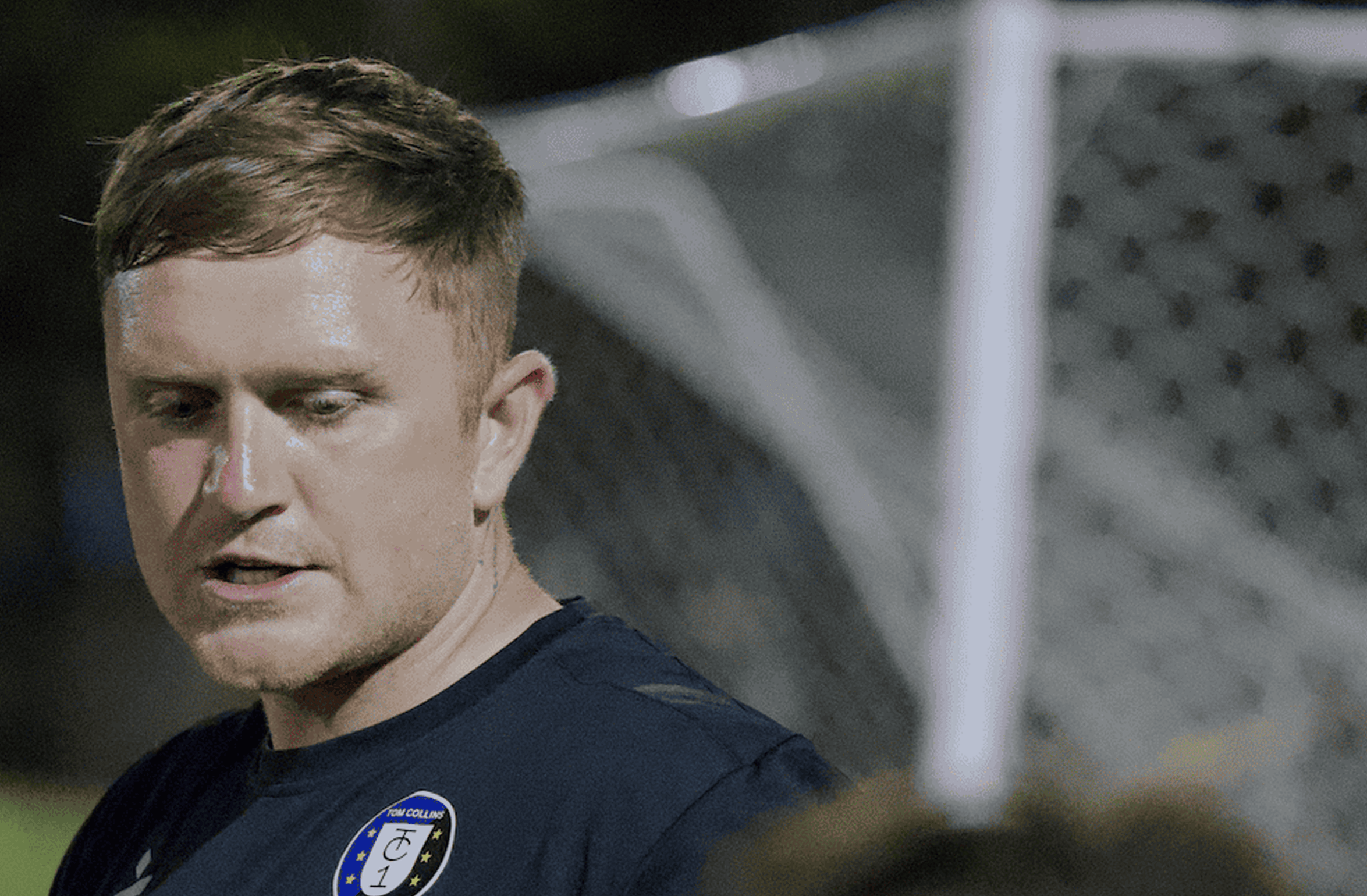
Goalkeeping has always been a different position. More isolated. More exposed. More mental.
That reality sat at the centre of our recent webinar with Tom Collins, founder of TC1 Goalkeeping and Assistant Goalkeeping Coach at Brisbane Roar, alongside Platform Sports’ recruitment team. What followed was not a technical breakdown of saves and sessions, but an honest conversation about pressure, development, and why the pathway matters just as much as talent.
Tom’s story is one many young goalkeepers don’t hear early enough.
Tom came through the UK academy system quickly. Very quickly. He signed his first professional contract at 16, played at high levels as a teenager, and was thrown into first-team environments where mistakes weren’t learning moments, but consequences.
“When confidence dipped, it wasn’t at youth level,” Tom shared. “It was in a first-team environment where three points mattered and people’s livelihoods were attached to performance.”
Without the mental support structures that many clubs now prioritise, the pressure compounded. Eventually, Tom stepped away from football altogether and moved to Australia, uncertain whether he even wanted the game in his life anymore.
Ironically, coaching became the thing that brought him back.
Now, working daily with professional and youth goalkeepers, Tom describes himself as being in a better mental space than at any point during his playing career. That perspective shapes everything he does as a coach.
One theme kept resurfacing throughout the discussion: goalkeeping is not just technical. It’s psychological.
Tom was blunt about it. “I’d say goalkeeping is 70 percent mental and 30 percent technical. If you get the mental side right, the technical side can actually flourish.”
This shows up most clearly in moments when goalkeepers are least prepared for action. Second-choice keepers. Third-choice keepers. Players who might go weeks or months without touching the pitch, only to be called upon suddenly.
Tom shared a story from his current environment where a goalkeeper hadn’t played for much of the season, then was thrown on to face a penalty against a top team. Because he was mentally ready, he saved it and never looked back.
That readiness doesn’t come from talent alone. It comes from environment, mindset, and preparation.
For Tom, one of the biggest misconceptions he sees in young goalkeepers is the idea that turning professional early is always the best outcome.
In his own words, going pro at 16 was “too much too soon.”
At that age, many players don’t yet have the emotional tools to deal with form dips, criticism, and pressure. In contrast, Tom has seen countless players use the U.S. college system as a developmental bridge rather than a fallback.
“It shouldn’t be viewed as a backup plan,” he said. “For a lot of players, it’s actually the right stepping stone.”
College environments allow goalkeepers time to mature physically and mentally while competing at a high level, training daily, and earning a degree. Importantly, goalkeepers often peak later than outfield players, with many not cementing first-team roles until their early-to-mid 20s.
That timeline aligns well with what college football actually provides.
When asked what truly separates top goalkeepers, Tom didn’t start with height or footwork.
“Mentally,” he said immediately.
Being coachable. Being self-aware. Being willing to watch footage back and accept criticism. Understanding that development doesn’t stop at 18 or 19.
Tom emphasised the importance of film review and self-reflection, something that many young athletes avoid. Goalkeepers who refuse to watch their own mistakes often plateau. Those who engage with them tend to move forward.
Height came up too, but only as a warning sign. Coaches who fixate solely on size were described as a red flag. Athleticism, movement, decision-making, and mentality all matter far more than raw measurements.
One of the most sobering parts of the conversation centred on what happens when things don’t work out.
For players who’ve dedicated their entire lives to football, being released at 18 or 19 without a plan can be devastating. Tom stressed the importance of having an exit strategy, whether that’s another league, another pathway, or education through college.
“It’s a scary time,” he said. “And our responsibility is to help players transition, not just cut them loose.”
That philosophy aligns closely with why Platform Sports places such emphasis on education-backed pathways. Football careers are uncertain. Options matter.
What stood out most from the session wasn’t a single drill or pathway recommendation. It was the reminder that development isn’t linear, and early decisions carry long-term weight.
Goalkeepers, more than most, need time. They need environments that support learning, patience, and mental growth. Whether that happens through professional academies, the college system, or a combination of both, the key is choosing a pathway that fits the person, not just the dream.
For families and goalkeepers navigating these decisions, the message was clear: don’t rush, don’t fixate on labels, and don’t ignore the mental side of the game.
Those who prepare properly tend to last longer.
