
Selected in the 2025 MLS SuperDraft after four years at the University of Denver, Ronan Wynne is one of the clearest examples of what the U.S. college pathway can produce. What made the difference started long before anyone was watching.
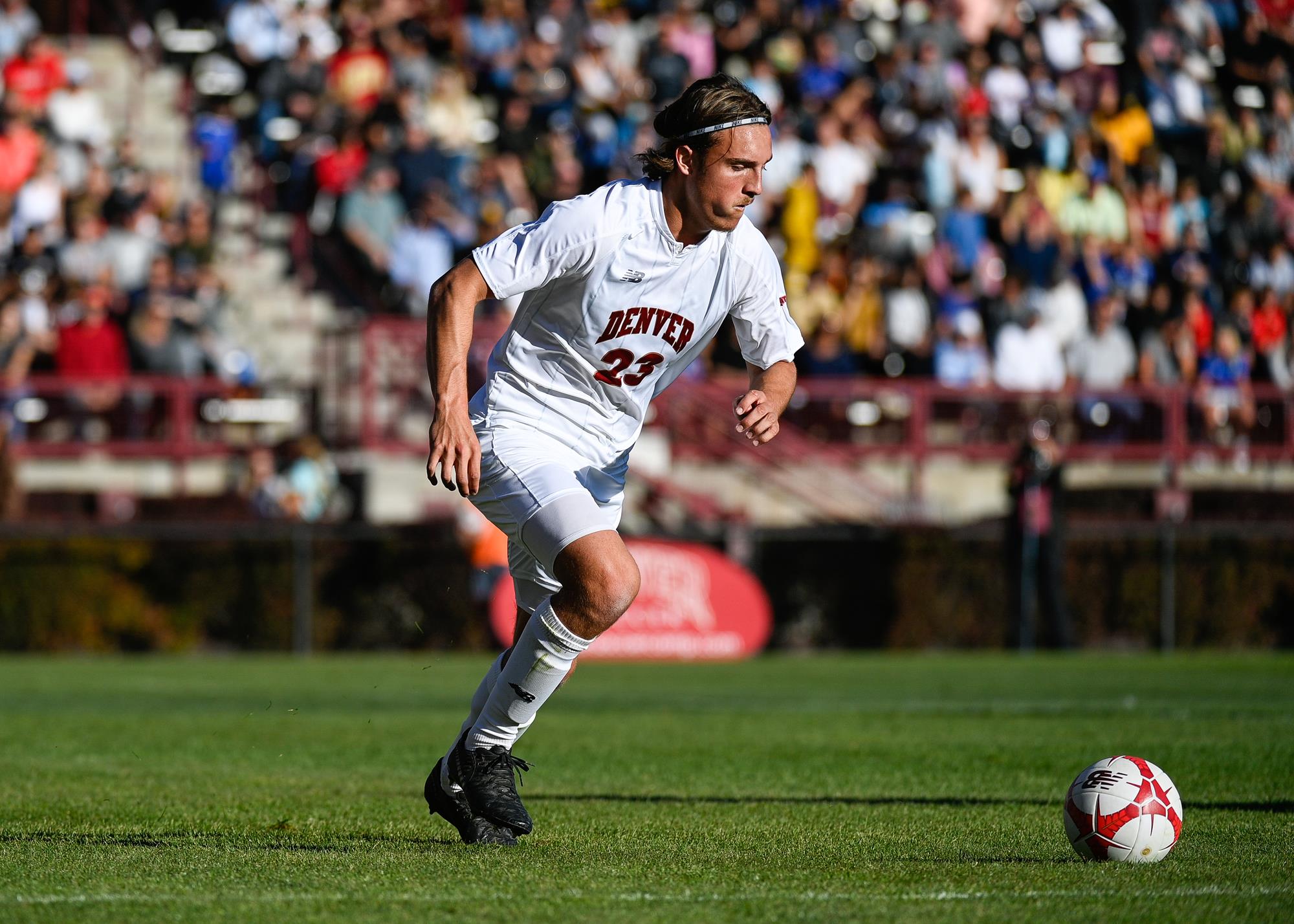
Ronan Wynne was not chasing a feeling when he started the college recruitment process. He was building a plan.
That distinction matters more than it might seem. A lot of young players from New Zealand and across the Southern Hemisphere look at U.S. college soccer and see an exciting possibility. Fewer of them understand what it actually takes to get there: the academic groundwork, the timing, the visibility, the patience. Ronan understood it, or at least he had people around him who did, and that shaped everything that followed.
After four years as a right-back at the University of Denver, where he became one of the most reliable defenders in the Summit League, Ronan was selected 53rd overall by Atlanta United FC in the 2025 MLS SuperDraft. He went on to make his professional debut with Atlanta United 2 in MLS NEXT Pro, a significant step for any young player coming out of college. His ambitions extend further, including a place in the New Zealand senior national team, and the foundation he built at Denver is what makes those ambitions credible.
But the story worth understanding for families navigating recruitment does not begin with the SuperDraft. It begins years earlier, in New Zealand, before most athletes would even consider starting the process.
Platform Sports began working with Ronan during his sophomore year in New Zealand, while he was still developing through the local football system and captaining his school teams at Westlake Boys High School. That timing was not accidental.
Recruitment for U.S. college soccer does not begin when an athlete decides they are ready. Coaches plan their rosters well in advance. Academic eligibility takes time to establish. The footage, results, and communication habits that give coaches enough to assess a player properly are not built in a matter of weeks. Getting ahead of all of that meant Ronan could approach the process without urgency. His academic profile was built carefully. His football record reflected consistent development rather than a last-minute scramble for exposure. By the time conversations with programmes began, he had real options in front of him rather than a single offer to accept or decline.
For families starting to think about this pathway, that lead time is often the difference between finding the right fit and taking whatever is available.
Ronan had a clear sense of what he was looking for, and his reasoning for choosing the University of Denver is worth paying attention to.
He had already spent time in the city visiting his brother, so he knew how it felt to be there. Beyond that, he looked closely at the programme itself: its competitive record, its coaching philosophy, and what it asked of its players beyond football. In his own words: "The coaching staff were very open and honest about coming to Denver because it's more than just about becoming a good player; it's also about being a good person and working on those habits daily."
He also paid attention to something many families overlook at the recruitment stage. "The program had the top men's soccer GPA in the country for four or five years before I arrived, so the academics were also top-notch, and it told me a lot about the people I would be working next to every day."
That is not the reasoning of someone chasing a logo or a division. It is the reasoning of an athlete who understood that his development over four years would depend heavily on the culture, the people, and the standards of the environment he chose to be part of. For families going through the same decision, Ronan's checklist is worth borrowing: coaching philosophy, team culture, academic standards, and whether the programme is invested in the person alongside the player.
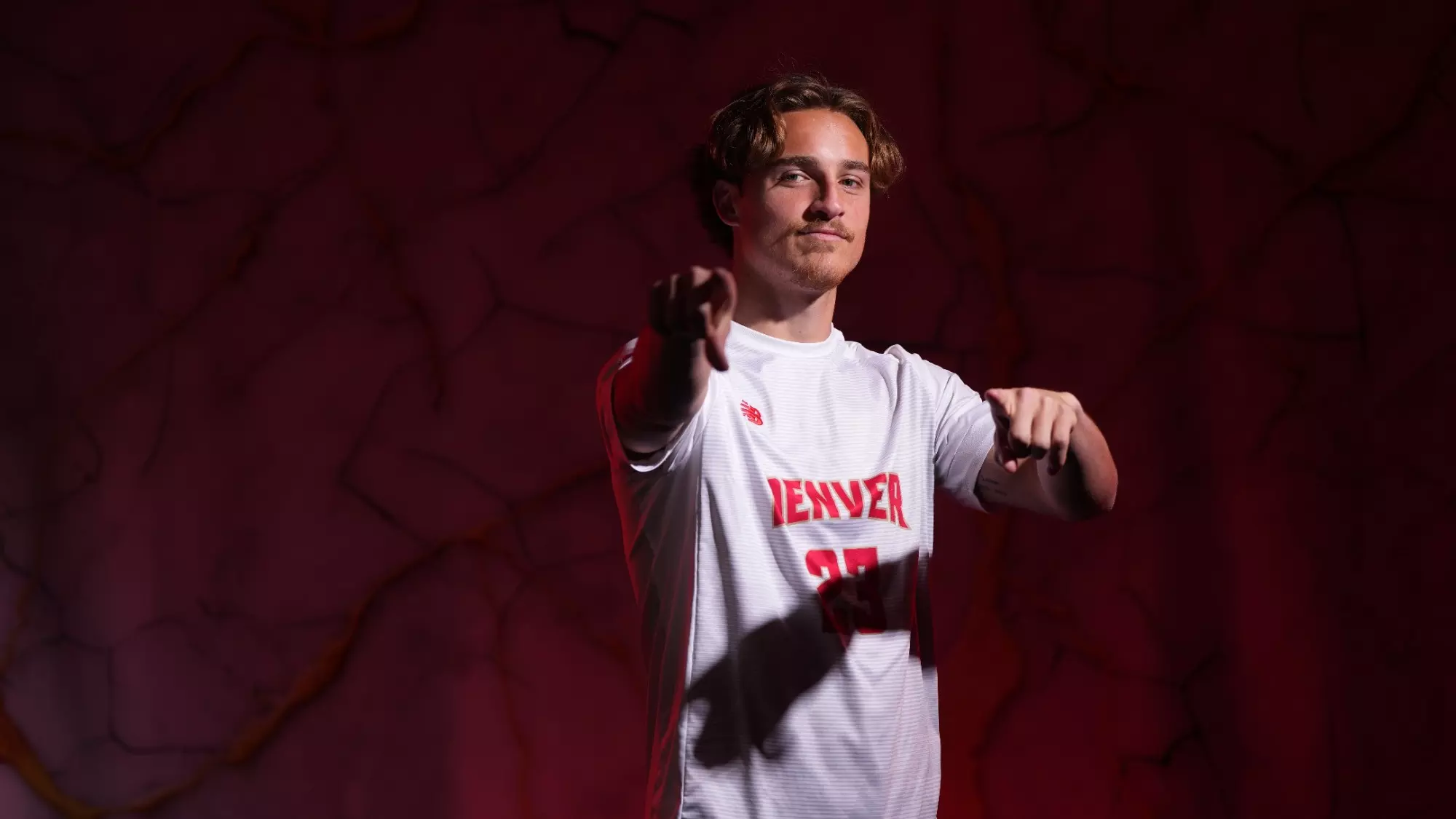
Ronan arrived at Denver and became exactly the kind of player the programme expected him to be, then kept getting better.
Over his college career he played in 70 matches, started 69 of them, and logged more than 6,000 minutes on the field. He was named Summit League Defensive Player of the Year in both 2022 and 2024, earned a place on the United Soccer Coaches All-West Region First Team, and received Academic All-America recognition in 2024. In his final 2024 season, he helped the Pioneers reach the NCAA College Cup for the first time in eight years.
What those numbers reflect is not just ability. They reflect reliability: showing up, performing, staying available, and improving across four competitive seasons. That kind of record matters to professional scouts precisely because it is difficult to fake. It tells a story about character as much as it does about talent, and it is the kind of story the college pathway, when approached properly, is well-placed to help athletes write.
Ronan was direct about what the recruitment experience felt like from his side.
"Honesty was the top thing I got with Platform. I knew that with every move made, there was a sense of purpose, and they had my best interest at heart. I felt that I wasn't being told what to do but more guided in the direction that would ultimately land me at the best place possible."
That distinction between being guided and being pushed is something families should hold in mind when thinking about recruitment support. The process already involves a lot of pressure: timelines, decisions, academic requirements, coach communication, and the weight of choosing an environment that will shape the next four years of a young person's life. Guidance that is honest and purposeful changes how athletes carry that pressure, and tends to produce better decisions.
Ronan's story does not follow a simple arc from small-town footballer to professional star. It follows a more realistic and ultimately more useful arc: a young athlete who started the process early, chose his environment carefully, developed consistently over four years, and earned professional opportunities on the back of what that environment helped him become.
The college pathway did not hand him any of that. He built it, step by step. But having the right support at the right time meant he was never building it blind.
That is what preparation looks like in practice. Not a guarantee of a particular outcome, but a much clearer understanding of what the process involves, what decisions matter most, and how to make them with confidence rather than guesswork.
If you are a student-athlete or parent trying to understand the U.S. college pathway, start with a conversation. Platform Sports can help you understand your options, your timeline, and what the right fit could look like.

